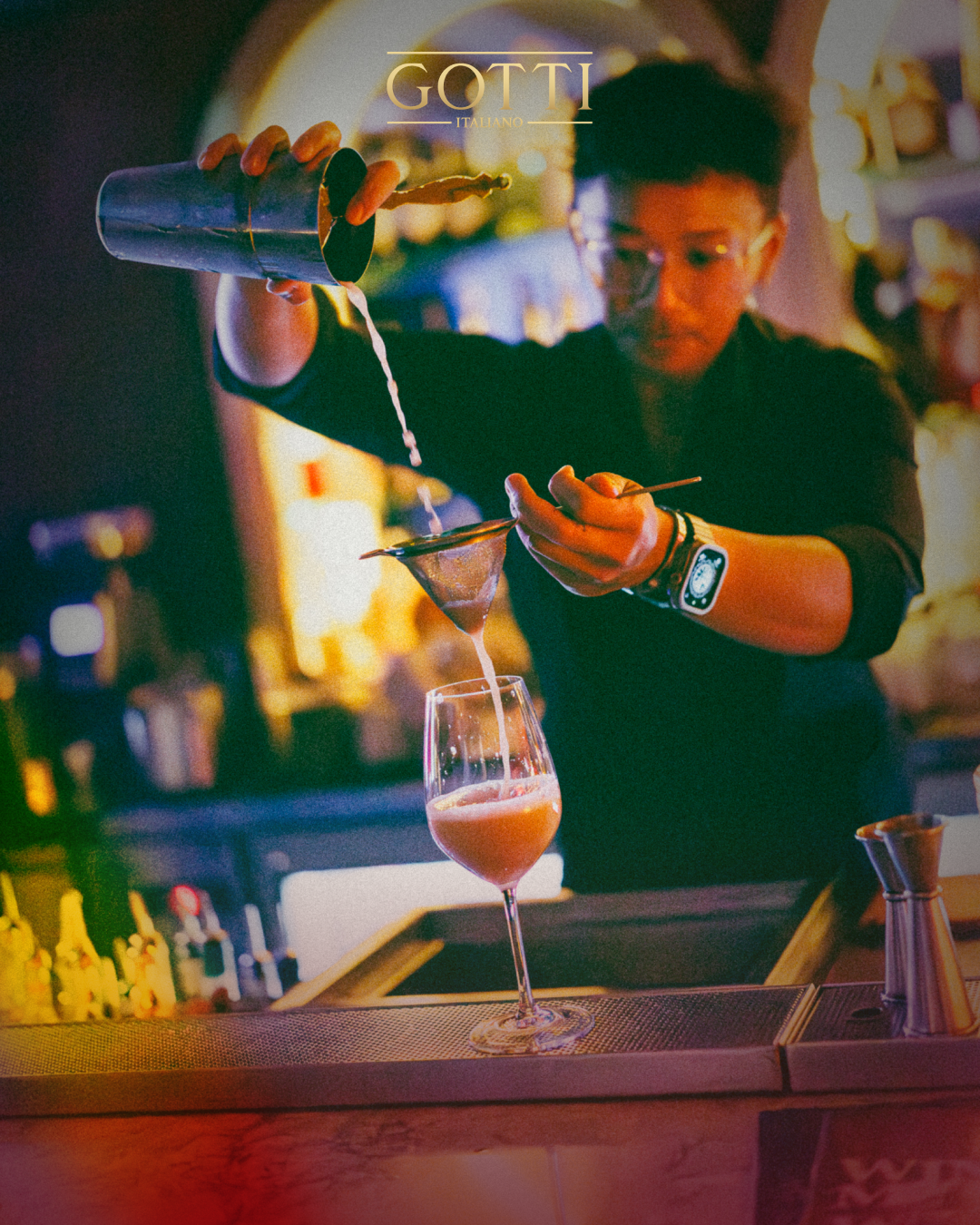
Aperitivo
Singapore
A complete guide to the Italian pre-dinner ritual — its history, the drinks, the snacks, and how to experience authentic aperitivo culture in Singapore's CBD.
Imagine settling into an elegant space on Amoy Street, a refreshing Aperol Spritz in hand, watching the evening unfold. This is not just a drink — it is an invitation to experience how Italians have celebrated time and connection for generations.
For many Singaporeans discovering fine dining, aperitivo remains mysterious. You have seen it on wine lists. Heard it mentioned at upscale restaurants. But what exactly is it? Why do Italians treat this ritual as sacred? And how can you experience authentic aperitivo culture right here in Singapore's most vibrant dining district?
This guide uncovers everything you need to know about this centuries-old tradition.
The Meaning
What Is Aperitivo?
The word comes from the Latin aperire, meaning "to open." But it is far more than linguistics — it is a philosophy of dining that opens both appetite and the evening.
Aperitivo represents a pre-dinner pause, traditionally served between 6 PM and 8 PM, designed to stimulate appetite before the main meal. In Italy, this ritual is a sacred pause in the day. Families and friends gather before dining — not rushing toward a table but lingering in conversation. An acknowledgment that good food deserves a proper frame, and that frame begins before the first course arrives.
A low-alcohol drink (typically under 15% ABV)
Light, savoury bites called stuzzichini
Time for genuine human connection
An unhurried transition from work to pleasure
The History
Understanding Italian Aperitivo Tradition
To appreciate this custom, travel back to 19th-century Italy, where this ritual was born from necessity and evolved into elegance. Before it existed as formal tradition, Italians simply dined late — often not until 8 or 9 PM, creating a long afternoon slump without a structured break.
Enter Giuseppe Gaspare Campari, a bartender from Novara. In 1860, Campari created a bitter-sweet liqueur specifically formulated to open the appetite and prepare the palate for food. His creation was not accidental — it was purpose-built. Throughout the late 1800s and early 1900s, Italian distillers refined the concept, developing lighter, more sessional drinks like Aperol (created in 1919), Martini, and Vermouth.
By the mid-20th century, aperitivo had become deeply woven into Italian social fabric. Not a luxury — a cultural practice, as essential to the Italian evening as greeting friends with warmth. Despite changing lifestyles, the ritual has remained remarkably unchanged. Its lasting appeal goes beyond satisfying hunger: it celebrates the importance of slowing down, meaningful conversation, and making time for the moments that matter most.
The Philosophy
The Core Philosophy Behind Pre-Dinner Italian Culture
Understanding this custom culturally is one thing. Living it requires grasping its deeper philosophy.
Timing Matters
This happens between 6 PM and 8 PM deliberately. Early enough to create anticipation for dining, late enough that appetite is genuinely awakening. It is about honouring the body's natural rhythms — not just when you feel like a drink.
Low Alcohol, High Intention
Traditional drinks contain 10–15% ABV. The goal is to stimulate, not intoxicate. You should feel refreshed and alert afterward, not drowsy — allowing proper enjoyment of the meal to follow.
Food Pairing Is Essential
Aperitivo is never consumed alone. It arrives alongside stuzzichini — small bites designed to complement the drink. Olives, cured meats, cheese, bruschetta. The interplay between bitter-sweet flavours and salty food creates balance.
Conversation Comes First
In Italy, this is not about maximizing alcohol consumption. It is about gathering. Italians nurse a single drink for an hour, deeply engaged in conversation, rather than ordering rounds.
Quality Over Quantity
One beautifully crafted drink beats three poorly made cocktails. This principle extends to everything — the setting, the company, the snacks. The tradition celebrates restraint and refinement.
A Bridge, Not a Destination
Aperitivo is deliberately not the main event. It is a bridge between work and dinner, between individual time and shared time. It preps the body, mind, and palate for what comes next.

The Gateway Drink
Aperol Spritz Singapore
If aperitivo has a universal ambassador, it is the Aperol Spritz. Three simple ingredients: 3 parts Prosecco, 2 parts Aperol, 1 part soda water — served over ice with an orange slice. The result: simultaneously bitter, sweet, and refreshing at approximately 11% ABV.
Why has it become the face of aperitivo culture globally, and specifically in Singapore? Accessibility — the bitterness is gentle, sweetness is balanced, and effervescence refreshes. For diners new to this tradition, Aperol Spritz serves as the perfect entry point.
Its brilliant orange hue and ritualistic preparation create a memorable visual moment. In our Instagram-driven dining culture, this matters. But beyond aesthetics, Aperol Spritz works in nearly any context — fine dining, casual gatherings, weekend brunches. It fits seamlessly because it was designed to.
The Spectrum
Exploring Different Aperitivo Drinks
While Aperol Spritz dominates conversation, aperitivo culture encompasses far more diverse options. For Singaporeans exploring these drinks, progression typically follows this arc: Aperol Spritz → Bellini → Negroni → amari. Build genuine appreciation rather than forcing drinks that do not resonate.
Bitter Aperitivos
Spirit-based drinks that lead with herbal, complex bitterness. Designed for adventurous palates, typically enjoyed neat or with minimal mixers.
- ✦
Campari — quinine and herbal notes
- ✦
Fernet-Branca — intense bitterness with minty character
- ✦
Luxardo Amaro — rich, spiced complexity
Vermouth-Based
Fortified wine infused with botanicals — balancing bittersweetness with herbal complexity.
- ✦
Martini — dry vermouth and gin, stirred and strained
- ✦
Negroni — Campari, gin, and sweet vermouth
- ✦
Americano — Campari and vermouth with soda, lighter and smoother
Light & Sparkling
Prioritizing refreshment and accessibility. Ideal for those new to the tradition.
- ✦
Aperol Spritz — the modern classic
- ✦
Bellini — Prosecco and white peach purée
- ✦
Mimosa — Prosecco and orange juice
Wine-Based
Sometimes the simplest choice is most authentic. A quality glass serves this function beautifully.
- ✦
Prosecco — crisp, celebratory, inherently Italian
- ✦
Moscato d'Asti — lightly sweet and low-alcohol
- ✦
Pinot Grigio — dry and mineral, excellent with olives
Stuzzichini
Aperitivo Snacks: The Unsung Essential
No aperitivo is complete without stuzzichini — the traditional accompaniments served alongside the drinks. These are not random nibbles. They are carefully chosen to complement the drink and stimulate appetite for dining ahead. The rule: they should open appetite, never satisfy it.
The foundational aperitivo snack. Green olives offer brighter, herbaceous notes; black olives provide deeper, earthier taste. Quality matters enormously — large, fresh olives from regions like Sicily far exceed mass-produced alternatives.
Prosciutto, speck, and guanciale are traditional. The salt and umami perfectly balance the sweet-bitter notes of the drinks. Served thinly sliced at room temperature to showcase craftsmanship.
Bufala mozzarella or soft pecorino work beautifully. Avoid aged, sharp varieties — they compete rather than complement. The goal is balance, not contrast.
Toasted bread with tomatoes, white beans, or tapenade provides textural contrast and bridges the gap between drink and dining.
Artichoke hearts, roasted peppers, or charred zucchini. The acidity in the marinades complements aperitivo drinks beautifully.
Almonds or candied walnuts provide textural crunch and subtle sweetness. Lightly salted to encourage continued sipping.
Key Distinction
Italian Aperitivo vs Western Happy Hour
Italy does not have "happy hour" in the Western sense. No 5–7 PM drink specials, no discounted appetizers, no promotional framework. The Italian concept of aperitivo is fundamentally incompatible with Western happy hour culture.
Western Happy Hour
- –Quantity over quality
- –Profit over purpose
- –Individual consumption
- –Discounted pricing
- –Rushed service
Italian Aperitivo
- ✦Quality over quantity
- ✦Presence over speed
- ✦Cultural expression
- ✦Social connection
- ✦Unhurried pace
When Western establishments rebrand their happy hour as "aperitivo hour," they often miss the essential spirit. Discounted prices and rushed service contradict everything this tradition represents. Look for establishments that create atmosphere conducive to lingering — not ones chasing promotional volume.
Your Practice
Building Your Aperitivo Practice in Singapore
Understanding this culture intellectually is one thing. Doing it is another. For Singaporeans in the CBD, the 6–8 PM window aligns perfectly with workday completion. Rather than rushing home or diving into dining, pause at Amoy Street. Create a psychological buffer — a transition that honours both work and the evening ahead.
Choose Your Drink
Start with Aperol Spritz or Bellini — accessible entry points. As your palate develops, explore Negronis and vermouths. Let preference guide you, not trends.
Find the Right Space
Seek establishments that embody this philosophy. Look for proper glassware, thoughtful snack curation, ambient lighting, comfortable seating, and staff who understand the ritual — not just the transaction.
Commit to Timing
This is not something you squeeze in whenever. It is scheduled intention. Mark your calendar: Tuesday and Friday at 6:30 PM. Ritual requires repetition.
Prioritize Company
Practicing this alone misses the point. Invite colleagues, friends, or family. The ritual's power lies in shared presence — genuine conversation with no phones, no work talk.
Extend into Dining
The most authentic experience flows naturally into dining. After 45 minutes to an hour, move to the table. Notice how the aperitivo has awakened your palate for what comes next.
Why It Matters
Why This Ritual Matters in Modern Singapore
We live in an age of optimization. Everything is measured, maximized, and monetized. Work expands. Presence fragments. This tradition resists that momentum.
In embracing it, you are not just enjoying a drink. You are participating in quiet rebellion against speed, distraction, and efficiency-obsession. You are saying: my time matters. Conversation matters.
For Singaporeans navigating competitive careers and high-pressure environments, aperitivo provides something increasingly rare: permission to slow down without guilt. The ritual asks only one thing in return — presence. Show up. Sip slowly. Listen. Linger.
Aperitivo is not exotic. It is not intimidating. It is simply an invitation to experience dining and life the way Italians do — with intention, quality, and genuine human connection.
Whether it is an Aperol Spritz overlooking Amoy Street, a thoughtfully prepared Negroni shared with colleagues, or a simple glass of Prosecco with olives and conversation — the ritual is accessible. Start this week. Choose a time. Invite someone. Order your drink.
Because in Italy, they understand something we often forget: the most nourishing part of any meal is not the food. It is the people you share it with.
FAQs
Common Questions
What is the best time to enjoy an aperitivo in Singapore?
The ideal time is between 6:00 PM and 8:00 PM, following the traditional Italian custom. This timing allows you to unwind after work, enjoy a light pre-dinner drink with small bites, and transition naturally into dinner without spoiling your appetite.
What drinks are traditionally served during an Italian aperitivo?
Classic aperitivo drinks include Aperol Spritz, Negroni, Americano, Vermouth, and Prosecco. These beverages are typically light, bittersweet, and designed to stimulate the appetite before the main meal — never to replace it.
Do aperitivo drinks come with food?
Yes. An authentic Italian aperitivo is always accompanied by light savoury bites such as olives, artisan cheeses, cured meats, focaccia, or bruschetta. These snacks complement the drinks while preparing your palate for dinner.
Do I need to book a table for aperitivo in Singapore?
While walk-ins may be available, making a reservation is recommended — especially on weekends or during evening peak hours. Booking ahead ensures you enjoy the full experience without waiting.
What is the difference between aperitivo and happy hour?
Although they may seem similar, aperitivo is a traditional Italian pre-dinner ritual focused on quality drinks, light bites, and conversation. Happy hour primarily revolves around discounted beverages and promotions — making the overall experience and philosophy quite different.
Your Aperitivo Awaits
Experience It at Gotti Italiano
78 Amoy Street, Telok Ayer — Singapore CBD. Aperol Spritz, Negroni, curated Italian wines, and the unhurried atmosphere that makes the tradition come alive. Wednesday and Friday evenings from 6 PM.