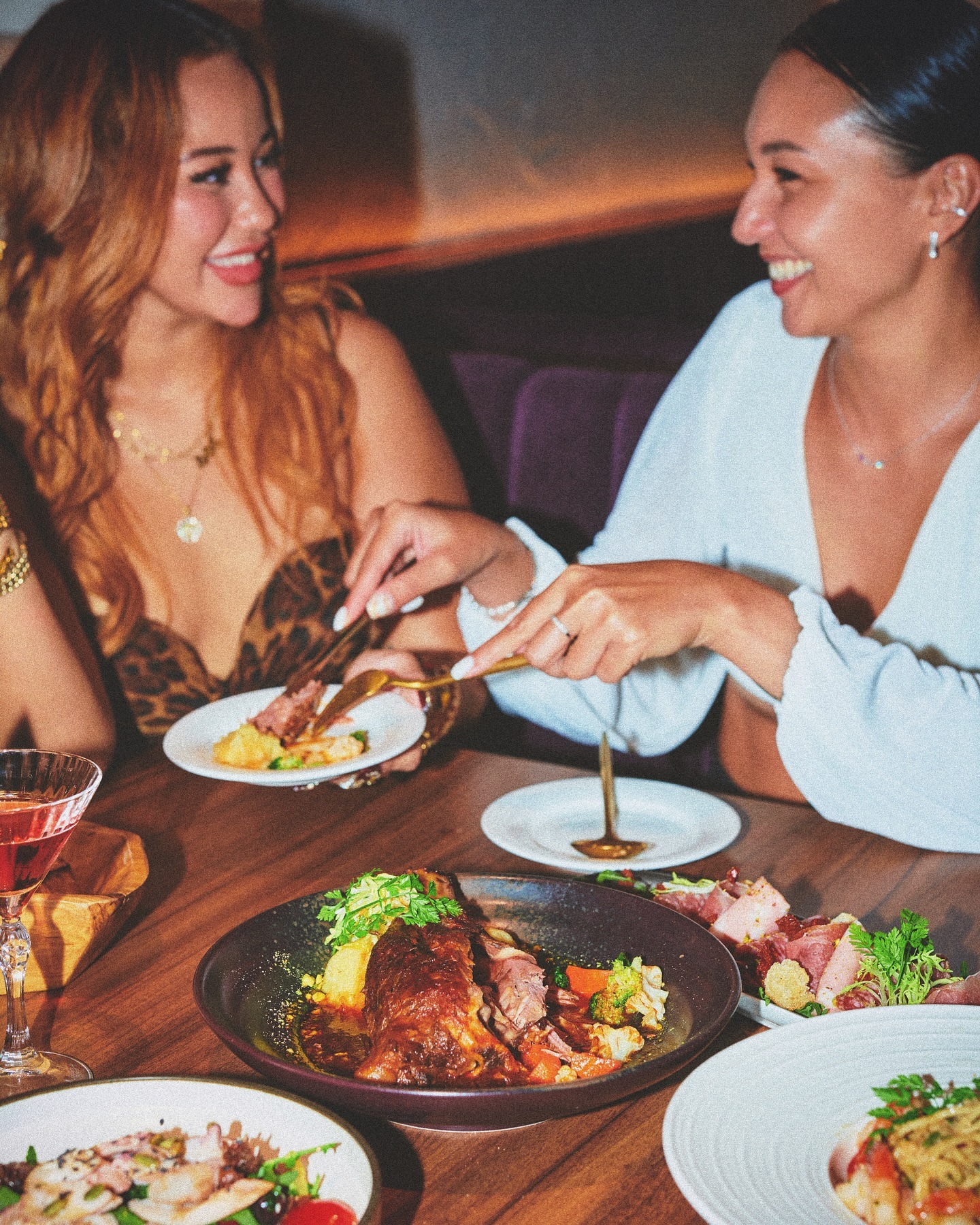
How to Read an
Italian Menu
A complete guide to understanding Italian restaurant menus — from antipasti to dolci, course order, terminology, and how to order with confidence.
Walking into an Italian restaurant for the first time can feel overwhelming if you are not familiar with the menu layout and terminology.
Terms like antipasti, secondi, and contorni might appear foreign, and the structure of an Italian meal is often completely different from what most diners expect. Understanding how to read an Italian restaurant menu is not just about knowing what words mean — it is about appreciating the philosophy behind how Italians approach food and dining.
This guide breaks down everything you need to know to confidently order at any Italian restaurant, whether you are dining in Singapore's CBD or anywhere else in the world.
The Progression
Understanding the Italian Menu Structure
Italian menus follow a traditional format that reflects how meals are meant to be experienced — deliberately and with purpose. Unlike many Western dining cultures where you jump straight to a main course, the Italian approach involves multiple courses, each with its own significance.
Before the pasta — appetisers and starters. Cured meats, cheeses, marinated vegetables, seafood preparations. Designed to ease into the meal and prepare your palate.
The first course proper. Pasta, risotto, or soup. Often mistaken for the main course, but in traditional Italian dining it is the first of two substantial courses.
The second course. Protein-based dishes — fish, meat, or seafood. Heartier and more protein-focused, but served after the pasta course, not instead of it.
Side dishes accompanying your secondi. Roasted vegetables, salads, or potatoes — ordered separately and paired thoughtfully with your main.
A cheese and fruit course on more formal menus, typically served before dessert. Often optional, but worth exploring at a well-stocked kitchen.
Dessert. From simple fresh fruit to tiramisu, panna cotta, and elaborate tarts. The conclusion of the Italian dining experience.
Beverages — wines, digestifs, and coffee. In Italy, espresso always comes after dessert, never alongside it.
The Language
Decoding Key Menu Terminology
When you look at an Italian restaurant menu, certain words appear repeatedly. Knowing what these mean transforms the experience from confusing to confident.
Antipasti Explained
Antipasti is not a single dish — it is an entire category. You might see bruschetta (toasted bread with toppings), carpaccio (thinly sliced raw meat or fish), or insalata (salad). Each antipasto is designed to stimulate the appetite and introduce the flavour direction of the meal ahead.
Pasta Preparations
Italian menus describe pasta by listing the shape first, followed by the sauce. "Spaghetti Aglio e Olio" means spaghetti with garlic and oil. "Pappardelle al Ragù" means wide ribbon pasta with a slow-cooked meat sauce. Understanding this naming convention lets you predict exactly what you are ordering.
What Secondi Really Means
In English-speaking countries, we call the protein course the "main course." Italian restaurants use secondi to clarify that this is the second course of the meal, not the primary focus. Secondi dishes are typically simpler than primi — a grilled fish, pan-seared meat, or braised preparation where the protein is the star with minimal embellishment.
Contorni: Why Sides Are Separate
Contorni are ordered separately from your secondi. This surprises many diners expecting vegetables to come with their protein. In Italy, side dishes are intentionally separate — they are meant to be tasted individually and paired thoughtfully. Common contorni: patate (potatoes), verdure grigliate (grilled vegetables), insalata verde (green salad).
Quick Reference
Italian Menu Terms You Will Actually See
Preparation Methods
Alla
"In the style of" or "prepared as" — e.g. Alla Norma means in the Sicilian style.
Al Forno
Baked or cooked in the oven.
Grigliato
Grilled over direct heat.
Fritto
Fried — light batter, hot oil.
In Bianco
Without tomato sauce — typically finished with olive oil, garlic, or cream.
Sauce Terminology
Ragù
A slow-cooked meat sauce, typically served with wide pasta like pappardelle or tagliatelle.
Pesto
Basil, garlic, pine nuts, parmesan, and olive oil — uncooked, bright, and herbaceous.
Crema
Cream-based sauce. Often lighter than expected — Italian cream sauces are rarely heavy.
Sugo / Salsa
General sauce terms, often used interchangeably. Sugo usually implies a cooked, reduced sauce.
Ingredient Descriptors
Alle Noci
With walnuts
Ai Funghi
With mushrooms
Alle Olive
With olives
Al Tartufo
With truffle
Alle Vongole
With clams
Ai Gamberi
With prawns
The Authentic Approach
How Authentic Italian Restaurants Structure Their Menus
A properly structured Italian menu is organised by course, not by protein type. This guides you through a deliberate progression of flavours and textures — antipasti awaken the palate, primi satisfy with carbohydrates and sauce, secondi provide protein and substance, dolci conclude on a sweet note.
Restaurants that follow this structure are typically more committed to authentic preparations. They are not just serving Italian-sounding food — they are honouring the Italian dining philosophy.
A minimalist dish description almost always signals a traditional preparation. The more ingredients listed in the name, the more likely you are looking at a modern or fusion interpretation.
Browse Our À La Carte Menu →
Choosing Your Format
À La Carte vs Set Menus
Most traditional Italian restaurants offer both options.
À La Carte
Build your own experience
Choose individual courses freely. Ideal for those who know what they want or want to explore specific dishes from the menu. Gives maximum flexibility over portion choices and pacing.
Set Menu (Menu Fisso)
The chef's curated progression
Curated selections at a fixed price. These represent what the chef thinks works best together. Particularly valuable for first-time visitors, business lunches, or anyone who prefers a streamlined ordering process.
Practical Advice
What to Order at an Italian Restaurant
Now that you understand the structure, here is how to apply it at the table.
Start with one antipasto, one primo, and skip the secondo unless you are particularly hungry. Italians rarely order both pasta and protein at the same meal. Finish with dolci or fresh fruit.
A simple white wine works with most seafood pastas; red wines complement meat-based ragù sauces. At Gotti Italiano, the wine list spans light Pinot Grigio to bold Barolo — ask your server for a pairing recommendation.
Italian courses are smaller than you might expect. Antipasti are light, pasta courses are satisfying but not enormous, and proteins are portioned for quality over quantity. This is why eating through all courses is comfortably manageable.
If a dish description is very long with many ingredients, it is likely modern or fusion-influenced. The more minimalist the description, the more traditionally Italian the preparation.
Avoid These
Common Mistakes When Reading Italian Menus
Assuming Pasta Equals Main Course
In Italy, pasta is a first course. Satisfying and substantial, but not meant to be the only thing you eat. Order a secondo if you are still hungry after.
Ordering Cheese on Fish Dishes
Parmesan on seafood is a cardinal sin in Italian dining. Never ask for it — the kitchen will thank you for not asking.
Expecting Protein with Every Course
Many antipasti and primi contain no prominent protein. This is intentional. The progression builds flavour gradually.
Skipping Contorni
Many diners do not realise sides are available separately. They add freshness and balance — and prevent the protein from sitting alone on a bare plate.
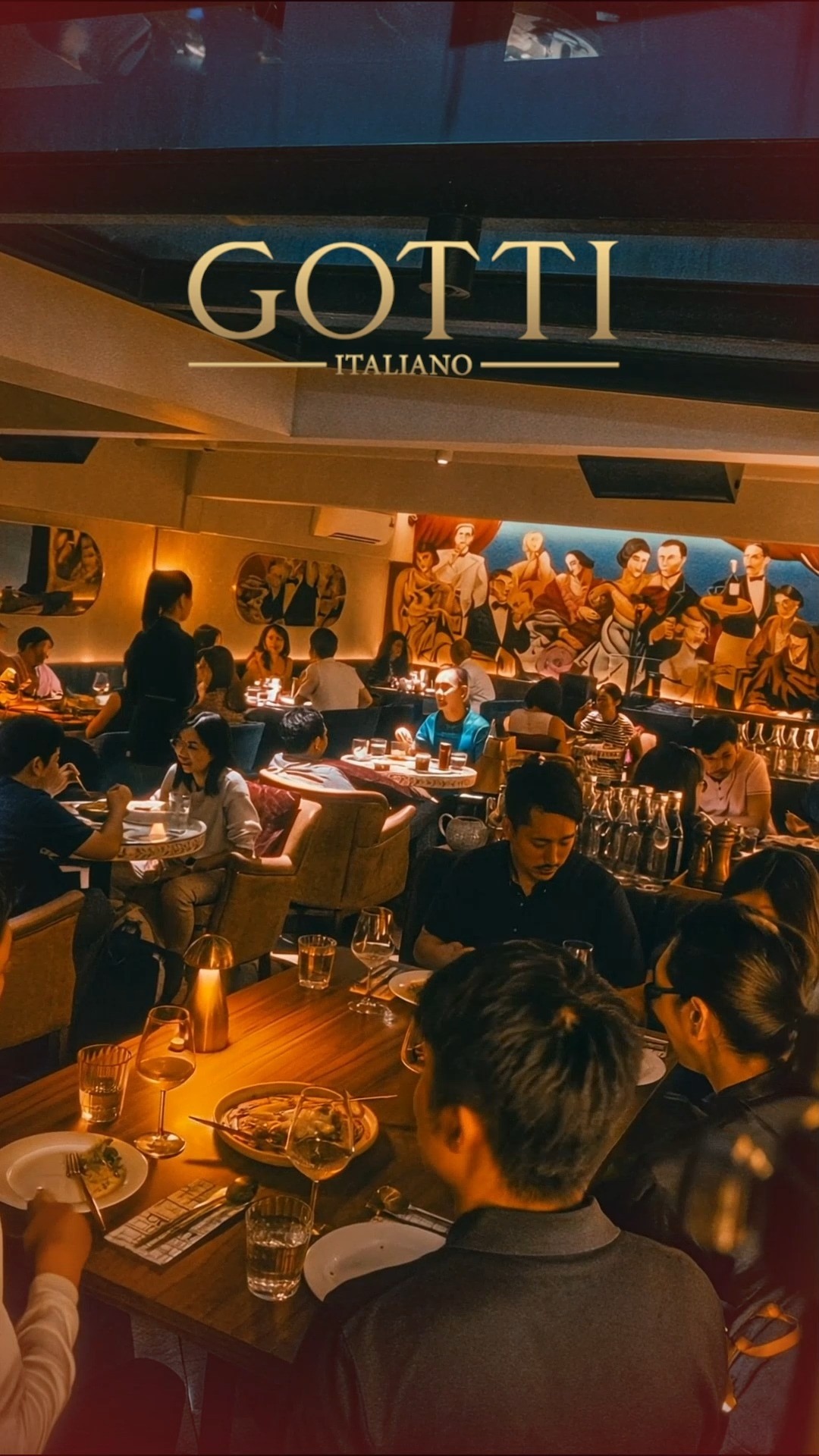
Each course tells a different story. The menu is the order in which it is told.
FAQs
Common Questions
What does "menu degustazione" mean?
A tasting menu where the chef selects multiple small courses for you. Ideal if you want to try a wide range of dishes or defer entirely to the chef's expertise.
Should I order antipasti if I am not very hungry?
Yes. Antipasti are small and meant to be light. They are a chance to taste the kitchen's quality on simple preparations, and worth sharing even with a modest appetite.
How many courses should I order?
There is no rule. A common approach is antipasto + primo + dolci, or primo + secondo + dolci. Many diners skip courses depending on appetite and time.
What is the difference between risotto and pasta?
Both are primi, but risotto is made from rice cooked slowly with broth — creamier and more luxurious. Pasta is made from wheat and is lighter. Both deserve the same level of attention from the kitchen.
Is it acceptable to have just pasta and skip the protein course?
Absolutely. Many Italians do exactly this. A well-made pasta dish is satisfying and complete on its own.
Why does Italian dining feel more formal than other cuisines?
It is not meant to be intimidating — it is about respect for the food and the meal experience. The structure ensures every course is tasted with full attention, not rushed past.
Can I order a main course the Western way?
Yes, restaurants will accommodate you. But following the traditional course structure gives you a more authentic experience and often better value.
What should I know about Italian wine when ordering?
Lighter wines pair with fish and seafood; fuller-bodied wines complement meat dishes. Ask your server or sommelier for guidance — a good Italian kitchen will always have a recommendation.
Understanding how to read an Italian restaurant menu is about more than translation. It is about appreciating a different approach to dining — one that values progression, simplicity, and quality over abundance.
When you sit down at a table with an Italian menu in front of you, take a moment to appreciate the thought behind that structure. Order with intention, appreciate each course for what it is, and enjoy the experience the way it was designed to be enjoyed.
Experience It
Put the Guide to Use at Gotti
78 Amoy Street, Telok Ayer — an authentic Neapolitan kitchen in the Singapore CBD where the menu follows the traditional Italian course structure from antipasti to dolci.